Table Of Content
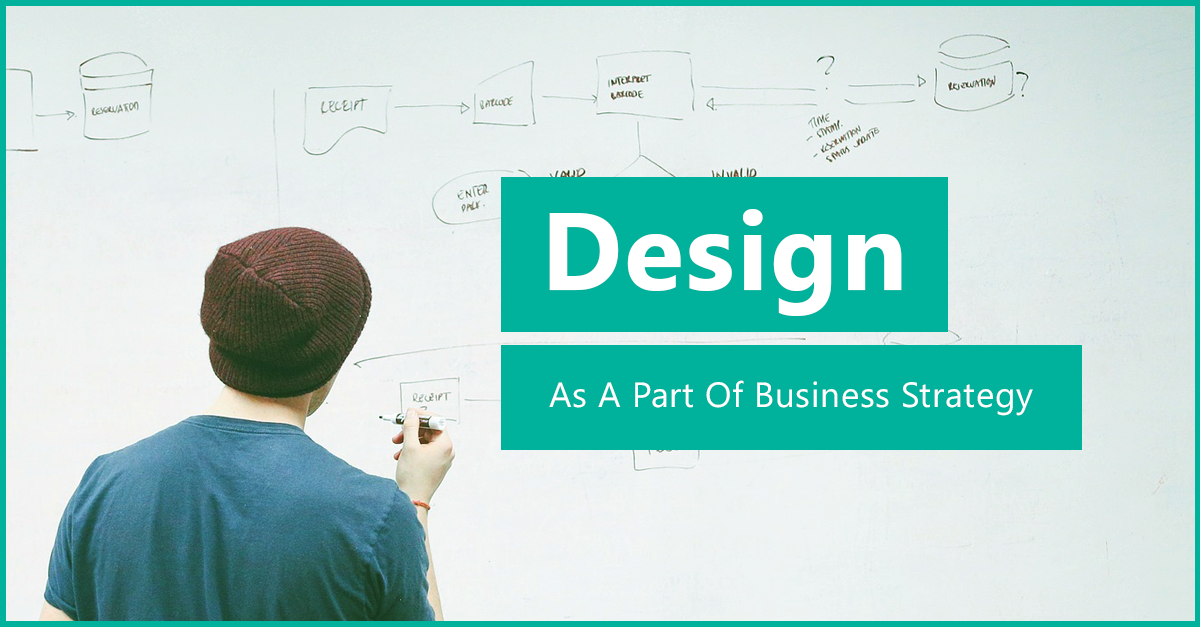
In today's hyper-competitive landscape, standing out from the crowd is essential. By applying strategic design principles, businesses can develop unique offerings that captivate customers and set them apart from competitors. For example, teams may jump from the test stage to the define stage if the tests reveal insights that redefine the problem. Or, a prototype might spark a new idea, prompting the team to step back into the ideate stage. Tests may also create new ideas for projects or reveal insights about users. We will take a detailed look at the fundamental principles of creating a powerful design strategy from scratch.
User-Centered Design for Marketing Collateral
Ultimately, it helps us make informed decisions that lead to the sweet spot between desirability, feasibility, viability, and sustainability. Implementing a solid design strategy drives the design process to the finish line, resulting in a positive impact on the company’s goals through the transformative power of design. Before you begin the product design process, it’s important to take some time to think about your goals and objectives.
Q1. How can I create a design approach that works in UX design?
Once we started working with Romina, we were immediately impressed with the way that she tackles the problem at hand. The “whys” she addresses after analyzing the challenge often makes us rethink our approach and improve our foundations for further work. Allows for improved ad effectiveness and measurement through Meta’s Conversions API, ensuring privacy-compliant data sharing. Differentiates real visitors from automated bots, ensuring accurate usage data and improving your website experience. Saves your settings and preferences, like your location, for a more personalized experience. Governs the storage of data necessary for maintaining website security, user authentication, and fraud prevention mechanisms.
✨ 4. Differentiate your product

When it comes to investment of time and resources it’s always more secure to rely on proofs and figures instead of focusing on gut feelings only. Step 2 will help you study your audience better to ensure that your solution is effective and gives you a competitive edge. The technical team will likely focus on the tangible design outcomes while the stakeholder team will prioritize the potential value the project can give to your company. By listening to different opinions and expectations you will get a holistic view of the project and the desired outcomes. In this step you can involve your team and stakeholders to get different perspectives on the project and make sure that each side is covered in your plan.
Project twists and unexpected changes should not be the reason to move away from the plan. Instead try to regularly update your plan and work scope according to the situation. Practical project implementation gives you valuable knowledge and hands-on experience which is unavailable at the initial stages. A typical project brief consists of several components such as project scope (including the budget, resources and work volume outlined), assignees, deliverables, deadlines and work roadmap.
Stage 3: Ideate—Challenge Assumptions and Create Ideas
A simple molecular design strategy for efficient deep-red thermally activated delayed fluorescence emitter - ScienceDirect.com
A simple molecular design strategy for efficient deep-red thermally activated delayed fluorescence emitter.
Posted: Mon, 15 Apr 2024 14:24:09 GMT [source]
User personas are fictitious representations of your ideal customers. They’re documents you share with the entire design team that represents an amalgamation of your user research. Each persona links back to the same common pain points, problems, and goals shared between the users you interviewed and studied. A design strategy will help your business decide what the next move — and the one after — should be.
User experience (UX) and user interface (UI)
Design thinking offers practical methods and tools that major companies like Google, Apple and Airbnb use to drive innovation. From architecture and engineering to technology and services, companies across industries have embraced the methodology to drive innovation and address complex problems. Wicked problems demand teams to think outside the box, take action immediately, and constantly iterate—all hallmarks of design thinking.
The End Goal of Design Thinking: Be Desirable, Feasible and Viable
Now, for any given organisation the act of planning and strategising is commonplace. In its simplest, a strategy is a plan for how we’ll succeed with a pre-defined and often longer-term goal. And any company without a plan is simply betting that success follows serendipity. The project moves forward starting with a standard questionnaire for the client to fill out. Once the form comes back, user research is begun (competitive analysis, etc.), and the team proceeds with the project.
Hosted by CCA's DMBA Chair Justin Lokitz and produced by the MBA in Design Strategy program. Every episode is devoted to asking questions, examining complexity, and innovating for human-centered solutions. One method is to use qualitative research methods like user interviews and observations to gather insights on user satisfaction, behavior change, and perceived value. Surveys and feedback mechanisms can also provide valuable data on user perception and experience.
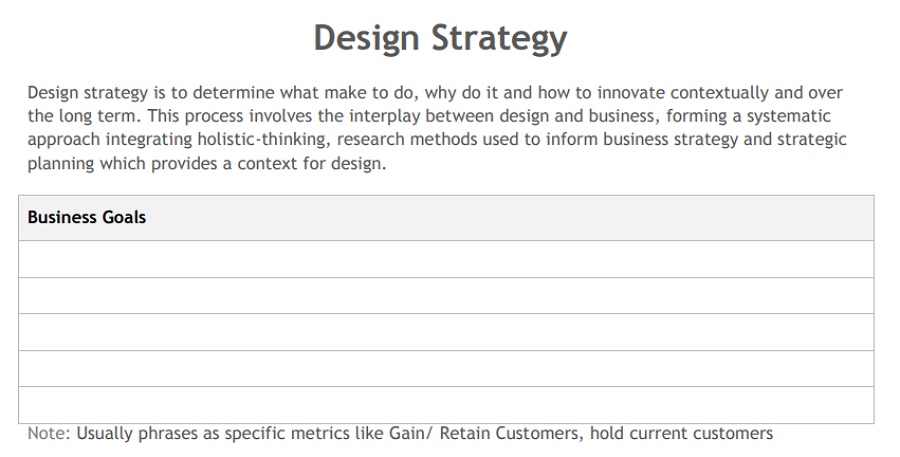
Design strategy takes into account desirability, viability and feasibility. It aligns user needs, business goals and technical constraints in order to design the best possible solution – one that provides a competitive advantage. Design strategy helps us to transform our strategic vision and objectives into feasible implementation phases via the methods of design thinking (workshops, different exercises, etc.). The next time you start working on a major design project, give yourself enough time to create a documented, comprehensive design strategy that helps provide a roadmap for each phase of the project. This user-centered approach not only retains existing users by providing an engaging experience but also attracts new users through positive word-of-mouth.
The goal of increasing customer satisfaction acts as a forcing function for the whole organization, encouraging it to invest in finding out what actually matters to their customers. If you have a design mindset at the executive level – one that encompasses curiosity, empathy and people-centric problem-solving – then your organization will exceed. You might roll onto the next project and it will fall to those people to carry the strategy forward. That’s why their buy-in and understanding of the plan is critical, perhaps even more so than compelling visual mocks and the perfect product narrative.


No comments:
Post a Comment